
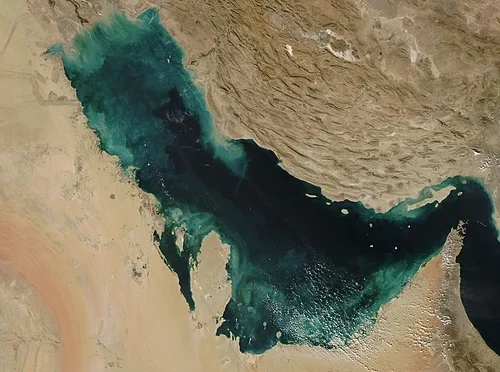
Hundreds of commercial vessels, including tankers and container ships, remain anchored and waiting near the Strait of Hormuz as regional tensions escalate amid the ongoing US-Israel war with Iran.
On or around early March 2026, following coordinated US and Israeli strikes on Iran starting late February, Iran threatened to target any vessels attempting to transit the Strait of Hormuz in retaliation. This has led to a near-total halt in commercial traffic through the critical chokepoint, with shipping data from MarineTraffic and other trackers showing traffic down by up to 90% compared to normal levels of 60–100 vessels per day. As a result, hundreds of ships estimates range from 150+ tankers (crude and LNG) to up to 1,000 vessels total including container ships and bulk carriers have dropped anchor in open waters outside the strait, both in the Persian Gulf (trapped inside) and in the Gulf of Oman/Arabian Sea approaches (waiting to enter).
The buildup includes at least 137 container ships stuck west of the strait (per Alphaliner reports around March 11, 2026), with broader figures from the International Maritime Organization (IMO) and industry sources indicating around 1,000 affected vessels carrying approximately 20,000 seafarers unable to proceed due to heightened risks of attacks, mines, drones, or missiles. Recent incidents include multiple ships struck near or in the strait, such as three vessels attacked on March 11 (including a Thai-flagged ship with crew rescues and missing mariners), and reports of 16+ vessels hit since early March. Iran has warned of blocking the strait or attacking transiting ships, while the US has destroyed Iranian mine-laying capabilities to prevent further escalation.
Port authorities, navies (including US forces deploying Marines and warships for potential escorts), and maritime security groups have issued advisories for increased naval presence, force protection, VHF hailing, and insurance volatility. Many operators have suspended Gulf-bound shipments, rerouted via longer alternatives (adding 10–14 days), or applied emergency surcharges and exclusions for hazardous/reefer cargo.
This standoff disrupts global energy flows, as the Strait handles ~20% of world oil and significant LNG, contributing to soaring bunker prices, freight volatility, and potential downstream port congestion at hubs like Singapore, Colombo, and Mundra from diverted traffic. It exacerbates existing pressures on shipping networks, with stranded crews facing prolonged waits amid overhead military activity and heightened safety concerns in one of the world’s busiest yet most vulnerable waterways.
The situation highlights acute vulnerabilities in global supply chains to geopolitical disruptions, where even partial or de facto blockades can strand massive volumes of cargo, inflate costs, and force rapid adaptations across tanker, container, and bulk sectors.