
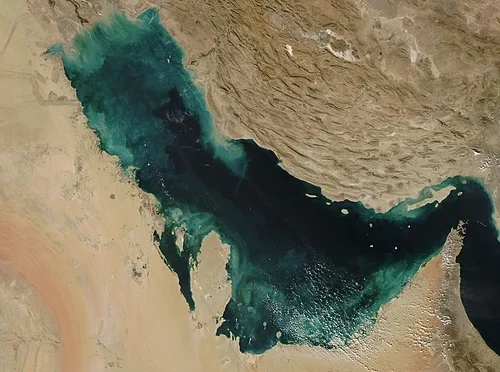
Iran has offered a proposal that would allow commercial vessels to sail freely through the Omani side of the Strait of Hormuz without risk of attack, as part of ongoing talks with the United States to prevent renewed conflict, according to a source briefed by Tehran.
The exclusive Reuters report, published on April 15–16, 2026, states that Iran could permit ships to use the Omani waters portion of the narrow chokepoint without hindrance from Iranian forces, provided a broader deal is reached. An Iranian official separately noted that Tehran would retain control over its own territorial waters while offering this goodwill gesture on the Omani side to help end the crisis.
This proposal comes amid a fragile US-Iran ceasefire and follows weeks of severe disruption. Since late February 2026, shipping traffic through the strait has dropped dramatically, with only a handful of vessels transiting daily (often under 10–15 per day) compared to the normal 130–140. Hundreds of ships remain anchored or waiting in the Persian Gulf and Gulf of Oman, affecting an estimated 20,000 seafarers and stranding significant volumes of crude oil, products, and LNG.
The Strait of Hormuz remains a vital global chokepoint, handling around 20% of the world’s oil and substantial LNG shipments. Under the current limited regime, vessels must often coordinate with Iranian authorities and follow specific routes near Larak Island, contributing to ongoing caution among operators.
Major shipping lines continue to monitor the situation closely. Many carriers maintain emergency surcharges, war risk premiums, and rerouting plans via longer alternatives. Even with the ceasefire, full normalization has been slow, with traffic still well below 10–15% of pre-crisis levels in recent days.
Authority response includes no immediate public confirmation from the US or Oman on the proposal. Oman has not issued a statement, while Western security sources noted the idea had been under discussion without a clear US response yet. The International Maritime Organization (IMO) and industry groups have repeatedly called for unrestricted, safe navigation and priority on seafarer welfare.
Shipping impact remains significant: prolonged low traffic keeps bunker prices volatile, forces fuel redistribution, sustains elevated freight rates on affected routes, and risks further port congestion at alternative hubs. Successful implementation of an Oman-side safe passage could gradually unblock trapped vessels and ease pressure on global energy supply chains, though questions remain over mine clearance, insurance terms, and whether all flags (including those linked to Israel) would be permitted.
This latest diplomatic signal highlights the fragile balance in the region, where even partial reopening proposals could influence oil prices, tanker scheduling, and confidence in resuming full Gulf operations.