
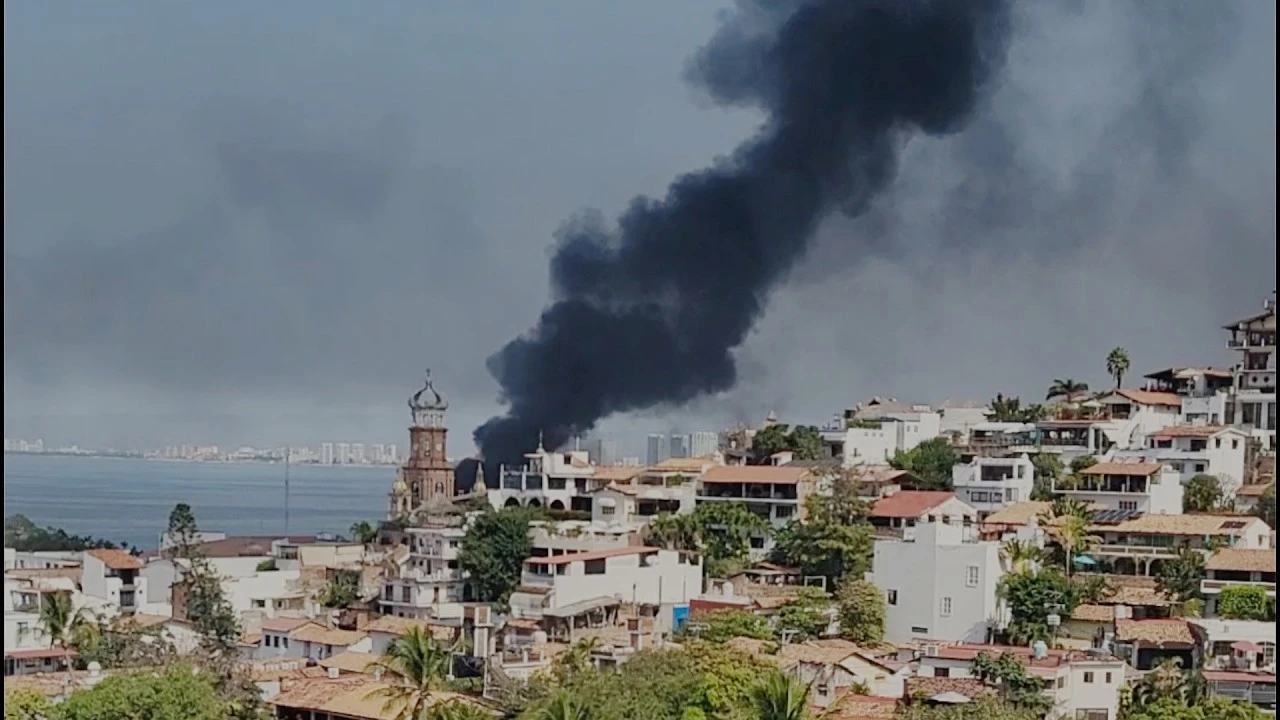
Multiple cruise lines have canceled scheduled stops at Puerto Vallarta, Mexico, in late February 2026, following a surge in violence triggered by the killing of a high-profile cartel leader in the state of Jalisco.
The disruptions began after Mexican authorities killed a top leader of the Jalisco New Generation Cartel, leading to retaliatory actions including road blockades, vehicle burnings, fires, and civil unrest spilling into the popular tourist port city. The U.S. State Department issued security alerts on February 21-22, 2026, urging American citizens in affected areas—including Puerto Vallarta, Guadalajara, and others—to shelter in place due to ongoing security operations, road blockages, and criminal activity. Taxis and ride-sharing services were suspended in Puerto Vallarta, flights to local airports were canceled or diverted, and heightened tensions prompted immediate precautionary measures.
Holland America Line was among the first to act, canceling the Zuiderdam‘s planned call on February 23, 2026. The ship, on a 12-night Mexico itinerary from San Diego, substituted the stop with an extra day at sea to prioritize guest and crew safety, as confirmed by the line’s security team monitoring the situation in western Mexico.
Norwegian Cruise Line followed suit, announcing that Norwegian Bliss would skip its scheduled February 25, 2026, visit to Puerto Vallarta. The ship, sailing from Los Angeles, informed passengers directly, with no alternative port announced—likely resulting in a sea day. Norwegian stated it is closely monitoring developments and will communicate any further changes to impacted guests.
Princess Cruises also canceled the Royal Princess‘s call on February 25, 2026, with passengers onboard reporting the change via the captain, noting no replacement port yet and anticipation of updates. Reports indicate at least three ships have adjusted itineraries so far, with potential for more as the unrest continues.
Puerto Vallarta remains a key year-round cruise destination on the Mexican Riviera, attracting thousands of passengers weekly for its beaches, excursions, and cultural experiences. The cancellations stem from cruise lines’ risk assessments prioritizing passenger safety over scheduled tourism, even as other Mexican ports like Cozumel, Costa Maya, Mazatlán, and Cabo San Lucas continue operations without reported changes.
The U.S. travel advisory for Mexico remains at Level 2 (“Exercise Increased Caution”) overall, though specific states carry higher warnings due to crime and kidnapping risks. This incident highlights the vulnerability of cruise itineraries to sudden geopolitical and security events in key regions, where rapid cartel responses can disrupt logistics far beyond immediate conflict zones. While incidents have largely occurred outside tourist hotel zones, the spillover—including airport chaos and highway disruptions—has forced operators to reroute, potentially affecting passenger experiences, refunds for missed ports, and future booking confidence in the region.
This wave of cancellations underscores the cruise industry’s proactive approach to safety amid evolving threats, ensuring continuity for broader Mexico itineraries while adapting to localized instability in one of the Pacific coast’s busiest cruise hubs.